Application → specification

Ripstop fabric roll wholesale for defined end uses

Translate the finished article into roll requirements. Grid visibility, hand, coating and usable yield need separate decisions for each application.

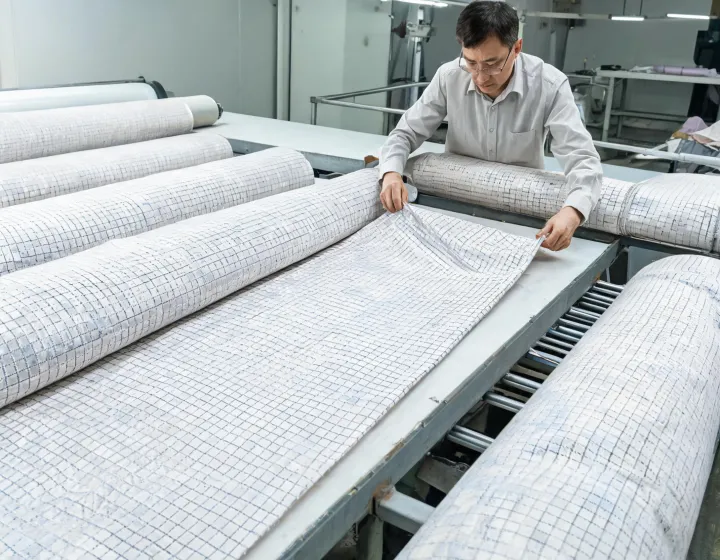
Ripstop rolls prepared for cutting trials

The application changes what to verify

A / Headwear

Cutting, sewing and panel appearance

For caps and hats, ask how the warp and weft direction should sit in each pattern piece. Specify fiber composition, reinforcement grid, target GSM in g/m² and usable width excluding selvage. Review seam puckering, needle damage and shade continuity with a sewn sample before accepting the fabric for a complete style.

A softer fabric can help an unstructured crown while a firmer hand may suit another construction. Compare the fabric with the intended backing, embroidery and care process; a swatch hand assessment alone does not establish finished headwear performance.

B / Equipment

Exposure, load and assembly

For bags, liners or equipment covers, identify abrasion exposure, expected tear loads, coating side and seam design. Request tear strength, tensile strength or hydrostatic pressure evidence when the application requires it, with a named method, edition, conditioning, threshold and exact sample reference.

A reinforced grid is not a quantified tear rating. Water repellency, waterproofness and moisture vapor transmission address different questions. A coating may alter hand and breathability; testing a fabric does not automatically validate the sewn assembly.

C / Conversion

Yield and continuity across rolls

For repeat cutting programs, define roll length, short-roll policy, usable width in cm or inches and quantity per dye lot. A roll inspection plan should identify defect classification, sampling basis and who decides acceptance. Keep retained references linked to the received lot and quotation article.

Request shrinkage and colorfastness evidence under the intended care or exposure conditions. One approved lab dip addresses a color target; bulk shade and finished material still need their own comparison.

Stock versus custom; unit cost versus usable yield

Stock may reduce development steps when the article meets the brief. Custom construction or finishing can address a mismatch but adds explicit minimums, samples and timing. A cheaper roll is not automatically a lower-cost cut part: normalize width, weight, defect allowance, sampling, testing and delivered terms before comparing offers.

ASTM textile-method listings help frame test questions; a listing is not a product test result. Review sample approval stages and supplier response fields.

Describe the finished use before choosing the roll

Send your cutting method, service environment, composition target, quantity and destination. Mark performance values as requested, supplier-declared or independently tested so alternatives remain comparable.

See inquiry options →

Buyer support eligibility

FREE sourcing support
up to 3%

Eligibility applies to qualified business buyers and is confirmed after we review your product, quantity, destination, and sourcing requirements.

Share your sourcing brief